
Home › Treatments › Custom Made Orthotics
Custom orthotics in Burwood
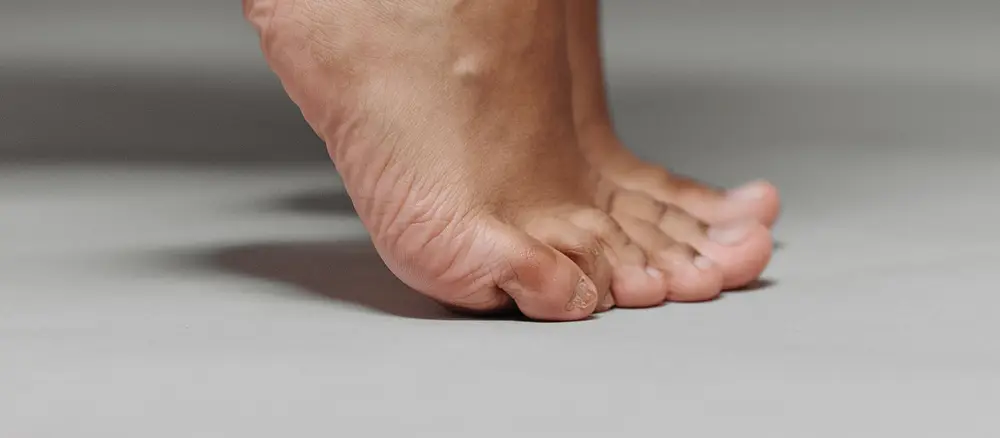
Orthotics (foot orthoses) are shoe inserts that support the foot or change how it is loaded. Custom devices are sometimes called prescription orthotics, and using them as part of a treatment plan is often called orthotic therapy. Not everyone needs one, and off-the-shelf (prefabricated) insoles suit some people who do. The assessment comes first.
The short answer
- Purpose: a device is worth considering only when assessment shows a clear job for it, such as changing pressure or loading on a painful area, in the shoes and activities you rely on. Custom orthotics may be considered when a suitable prefabricated device cannot readily do that job.
- Alternatives: footwear changes, rehabilitation, activity changes or an adjustment to a device you already have may be enough.
- Cost: the assessment is a standard 30-minute consultation ($112 with Jasem or Omar, $162 with Jonathan; Saturdays +10%). Any device is charged separately. What the quote covers
- Decision point: the assessment doesn’t commit you; you decide after it and a quote, and can take time to think. Impressions are taken only if you choose custom orthotics.
On this page
Compare the options
| Option | What it may involve | When you decide |
|---|---|---|
| Footwear or rehabilitation | Shoe changes, activity advice or exercises | After assessment |
| Existing or prefabricated device | Adjustment or a ready-made option | After checking your shoes and current devices |
| Custom orthotics | Impression, laboratory manufacture, fitting and any reviews (inclusions confirmed in your quote) | Only after assessment and a quote |
For a fuller comparison of device types, read Prefabricated versus custom orthotics.
How much do orthotics cost?
The assessment and any device are charged separately. If a device suits you, the quote after your assessment shows what is included and what is extra:
- The device—prefabricated, modified or fully custom. Type, materials and modifications affect the price.
- Impressions, if you choose custom orthotics
- The fitting appointment, adjustments after fitting and any reviews
Ask which private-health item codes apply so you can check your cover first.
What happens from assessment to fitting?
- Assess & decideBiomechanical (foot, walking & movement) assessment, options and quote before consent.
- Make or supplyOnly if you choose a device. Timing is confirmed before you proceed.
- Fit & reviewFitting and comfort adjustments in clinic, with follow-up for fit and response. With diabetes or reduced feeling, stop wearing a device that rubs a blister or breaks the skin and have it checked within a day.
After the assessment you should know what seems to be contributing to your symptoms, whether a device is likely to help, which type and what it would cost, and what else could work instead.
What to bring to an orthotics assessment
- The shoes you use most for work, walking and sport—these show where a device would need to fit. Mention any workplace footwear requirements.
- Any current or previous orthotics or insoles (the devices themselves, not just photos) and how they felt.
- Relevant reports, your health conditions and a list of your medications.
- Notes on where it hurts, when it started and what makes daily activity difficult—you don’t need to diagnose it yourself.
Looking for shoes that fit orthotics? Read how to choose shoes that fit your feet comfortably.
How are custom orthotics made?
Only if you choose custom orthotics: we take a foam-box impression of your feet, a laboratory makes the shell, and we then grind, mould and adjust the device in clinic before fitting. Timing is confirmed at the impression appointment.
Questions to ask when comparing orthotic quotes
- Is the initial assessment included?
- Is the device prefabricated, modified or fully custom?
- Are fitting, adjustments and review appointments included?
- What happens if the device does not fit the shoes you intended it for?
- Are other reasonable options being discussed?
A fully custom device is not automatically the better answer. Purpose, fit, the evidence for your condition, your footwear, your budget and the reasonable alternatives all bear on the recommendation.
References
- Rasenberg N, Riel H, Rathleff MS, et al. Efficacy of foot orthoses for the treatment of plantar heel pain: a systematic review and meta-analysis. Br J Sports Med 2018;52(16):1040–1046. doi
- Hawke F, Burns J, Radford JA, du Toit V. Custom-made foot orthoses for the treatment of foot pain. Cochrane Database Syst Rev 2008;(3):CD006801. doi
- Whittaker GA, Munteanu SE, Menz HB, et al. Foot orthoses for plantar heel pain: a systematic review and meta-analysis. Br J Sports Med 2018;52(5):322–328. doi
- Collins N, Crossley K, Beller E, et al. Foot orthoses and physiotherapy in the treatment of patellofemoral pain syndrome: randomised clinical trial. BMJ 2008;337:a1735. doi
- Telfer S, Abbott M, Steultjens MPM, Woodburn J. Dose-response effects of customised foot orthoses on lower limb kinematics and kinetics in pronated foot type. J Biomech 2013;46(9):1489–1495. doi
- Bonanno DR, Landorf KB, Munteanu SE, Murley GS, Menz HB. Effectiveness of foot orthoses and shock-absorbing insoles for the prevention of injury: a systematic review and meta-analysis. Br J Sports Med 2017;51(2):86–96. doi
- Oerlemans LNT, Peeters CMM, Munnik-Hagewoud R, et al. Foot orthoses for flexible flatfeet in children and adults: a systematic review and meta-analysis of patient-reported outcomes. BMC Musculoskelet Disord 2023;24(1):16. doi