
Home › Services › Nail Surgery
Nail surgery
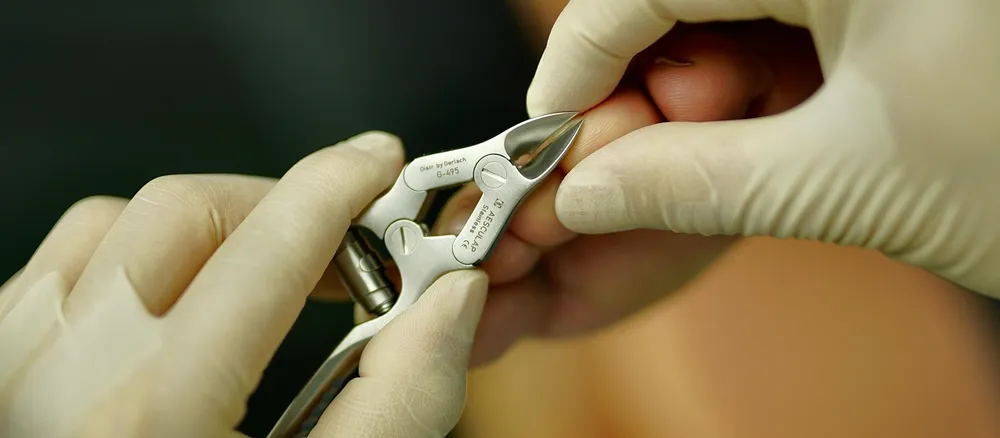
When an ingrown nail keeps hurting, the thought of a procedure can feel daunting too. We’ll explain your options, local anaesthetic and aftercare before you decide.
Nail shape, tight shoes and cutting nails too short or rounding corners can contribute to recurrent ingrowing. Related: Ingrown toenails.
Discuss a procedure for recurring ingrowing despite home care, especially with pain, redness or swelling.
Nail surgery at a glance
- Considered when: an ingrown edge is persistent, recurring or not settling with conservative care.
- Before deciding: assessment, alternatives, fees, aftercare and individual risks are explained.
- Timing: assessment and surgery are separate unless the clinic has specifically arranged otherwise.
- Recovery: dressings and activity guidance depend on the procedure and your circumstances.
Questions before nail surgery
- Will the anaesthetic hurt?
- The injection can sting briefly. We check the toe is numb before starting; tell us if you feel pain so we can stop and reassess.
- Can I walk afterwards?
- You may be able to walk short distances with a dressing, depending on the procedure and your health. Arrange transport home, rest as advised and ask about work and footwear before booking.
- How long does healing usually take?
- Healing takes several weeks and can take longer depending on the procedure, circulation and health. Follow your individual dressing and review plan. Recovery and activity advice.
On this page
What actually happens, step by step
The procedures offered by this clinic are usually performed in the treatment room under local anaesthetic and generally do not require stitches. We check that the local anaesthetic is working before starting and explain the procedure planned for you:
- The toe is numbed with local anaesthetic, and we wait a few minutes to be sure it’s working before anything starts
- The narrow strip of nail that’s digging in is gently freed and removed — usually just the problem edge, not the whole nail
- Usually a chemical (phenol) is applied to that exposed edge of the nail bed to discourage the same strip from regrowing
- The toe is cleaned and dressed, and you’re shown how to look after it before you leave
- We explain how to protect the toe and arrange your trip home
Procedure appointments usually take 45 minutes to an hour, including time to check the toe is numb.
Partial (the usual)
Only the offending edge of nail is removed. The nail becomes narrower. We discuss the likely appearance and the possibility of regrowth before you decide.
Total (occasionally)
Where the whole nail is the problem, the entire nail is treated. We’ll always talk this through, and what to expect for that nail, before you decide anything.
Will it hurt?
We explain each step before we begin. If you’re worried about discomfort, tell us—we’ll discuss how we can help you feel more comfortable.
We use local anaesthetic to numb the toe and check its effect before starting. You may still feel pressure or movement. Tell us if you feel pain so we can stop and reassess. We discuss tenderness and pain relief afterwards.
Worried about needles? Please tell us before treatment. We can talk through comfort and pacing with you.
How the toe is numbed — and what if you hate needles
A local-anaesthetic injection near the toe’s base stings briefly, then numbs it over several minutes. We explain each step; you can look away and talk with us.
Before your appointment
- Eat normally beforehand — this isn’t a general anaesthetic, so there’s no fasting
- Wear or bring roomy, open footwear (a sandal or a shoe you don’t mind over a dressing) for the trip home
- Arrange a lift or a taxi home — the toe will be numb and bandaged, so it’s sensible not to drive yourself after a first procedure
- Tell us your medications and health history — especially blood thinners, diabetes, or circulation problems — so we can plan around them
- Leave nail polish off that toe on the day
Afterwards — the first few days
- Rest and keep the foot elevated for the rest of that day where you can — it helps with swelling and comfort
- Keep the dressing clean and dry and follow the written dressing instructions supplied at your appointment
- Follow the pain-relief advice discussed with your podiatrist or pharmacist
- Some discharge can occur while healing; we will show you how to redress the toe and explain which changes need review
- We’ll arrange a review to check it’s healing well — bring any questions to that visit
To help you plan, ask what the quote includes before proceeding: the assessment, procedure, dressings and follow-up reviews, and any additional charges.
Recovery and returning to activity
Healing takes several weeks and can be longer depending on the procedure, circulation and your health. Your podiatrist will review the wound and advise when to increase activity.
- Arrange transport home and protect the dressing.
- Time off work depends on your job, footwear and comfort. Tell us about standing at work, caring responsibilities or difficulty managing dressings so we can discuss aftercare and timing before you book the procedure.
- Avoid swimming until the wound has healed. Running and sports that may injure the toe also need to wait for healing and advice from your clinician.
- Follow your individual dressing and review plan, rather than a fixed return-to-sport date.
Further information: South Tees Hospitals: nail surgery aftercare.
What could go wrong — and who it isn’t right for
Your podiatrist will discuss risks and alternatives before you decide:
- Tenderness, swelling or discharge can occur during healing; follow your aftercare advice about which changes need review
- Infection can occur and may require further treatment
- Healing can be slower for some people — particularly with diabetes or reduced circulation
- A treated edge can regrow and may need further assessment or treatment; recurrence and appearance vary
Extra planning may be needed: reduced circulation or sensation, poorly controlled diabetes, some medicines or other conditions. We assess suitability and explain if surgery isn’t appropriate.
Contact the clinic for advice about healing concerns. Spreading redness, fever, feeling unwell or rapidly worsening symptoms need prompt medical assessment; do not wait for a routine review or an email reply. Follow the aftercare instructions given for your procedure.