
Home › Foot health guides › Footwear
How can I choose shoes that fit my feet comfortably?
Start with the fit on your feet and the activity you need the shoes for. A brand name or a shoe described as supportive does not show whether it fits comfortably.
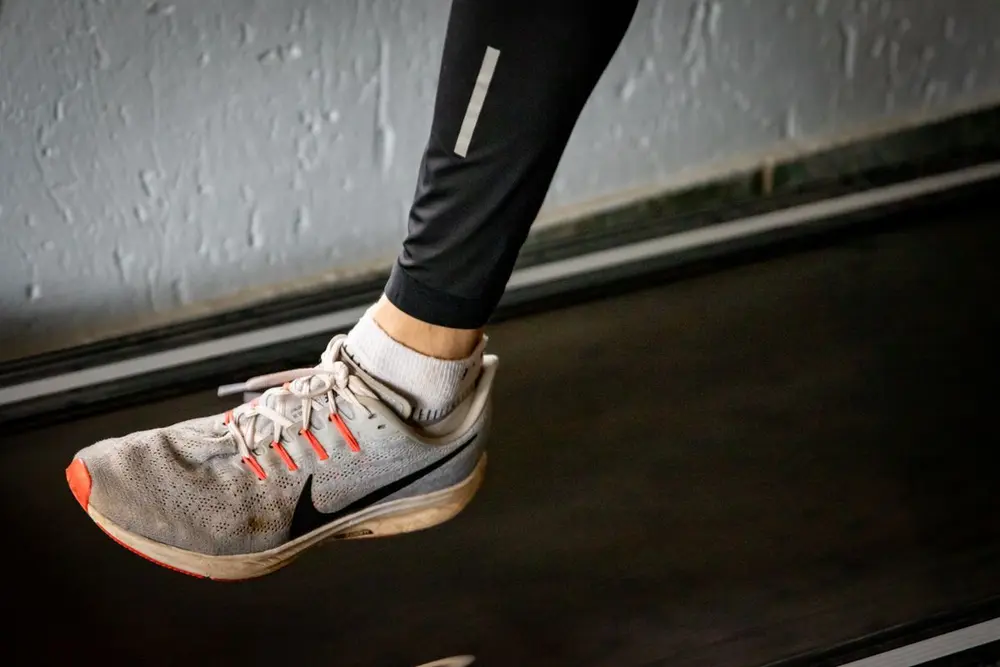
Shoe shop checklist for a comfortable fit
- Try on both shoes and walk around the shop.
- Allow about a centimetre beyond your longest toe, and room for your toes in depth.
- Fasten laces or straps securely; your toes shouldn’t need to grip.
- Check the heel holds without slipping.
- Wear the socks, and bring any orthotics, you will use with the shoes.
What time of day is best to try on shoes?
If your feet tend to swell, try shoes on at the end of the day, when your feet are likely to be at their largest. Wear the socks or tights you would normally wear with that pair, so the fit you feel in the shop matches everyday use.
How much room should shoes have around the toes?
Guy’s and St Thomas’ suggests about 1cm between the end of your longest toe and the end of the shoe. The front of the shoe also needs enough depth not to press on the tops of your toes, where rubbing can lead to corns. Narrow or pointed shoes can squash the feet and, over time, contribute to nail problems, corns or nerve irritation.
Do laces or straps make shoes more comfortable?
Laces, straps or Velcro can help because they fasten the shoe over the arch of the foot, holding it in place and leaving room for the toes to move. A shoe that relies on your toes gripping to stay on is less likely to feel secure when you walk.
What heel height and sole should I look for in everyday shoes?
For everyday comfort, Guy’s and St Thomas’ suggests keeping heel height under 4cm, choosing a wider heel for stability and a thicker sole with soft padding for shock absorption. Leather or breathable synthetic uppers allow air to circulate. These are general principles: the right shoe still depends on your feet, your activity and any foot problem you have.
How can I find shoes if I have bunions or wide feet?
Width, depth, upper material and fastening often matter more than the size on the label. Avoid forcing your foot into a pointed or shallow shoe. One simple check is to trace around your foot and compare it with the shoe’s insole: there should be room for your toes without the foot spilling over the edge. Stop using any pad or spacer that creates new pressure. Changing shoes can ease pressure and comfort but does not realign a bunion.
What should I check in shoes if I have diabetes or reduced feeling?
Choose well-fitting shoes and check inside them before putting them on, and avoid walking barefoot. Reduced feeling can let a rub, blister or pressure spot worsen unnoticed, so check both feet every day, including the soles and between the toes. A new wound or sudden change needs urgent same-day medical assessment rather than a routine footwear check.
How to choose shoes that fit orthotics
Bring orthotics and socks. Check depth and heel hold; ask whether to remove the shoe’s insole. Devices won’t fit every shoe.
Choosing shoes for work and sport
Tell us what your shoes need to cope with, including workplace requirements, and bring examples. Comfort in the shop cannot diagnose pain or guarantee relief.
Rocker bottom shoes: would they suit me?
Rocker bottom shoes have a curved sole that changes how the foot rolls through a step. They may be considered when bending a painful foot joint is difficult, including some arthritis concerns. They do not suit everyone. Ask us to review the fit and how you walk before choosing a pair; a shoe alone cannot establish or treat every cause of pain.
When is a podiatry footwear check worthwhile?
Get assessed for repeated rubbing, squeezed toes or persistent pain despite different shoes. With diabetes or reduced sensation, seek prompt advice for pressure or skin damage.
Still unsure which shoes suit your feet?
Bring your everyday shoes and the pairs that bother you.
Sources and clinical guidance
These sources support the general information above. Individual assessment may lead to different advice.
Sources checked 12 September 2026.